


In search of real live
In an age of viral labels and AI-generated content, young viewers increasingly value stories that present influencers as complex human beings.










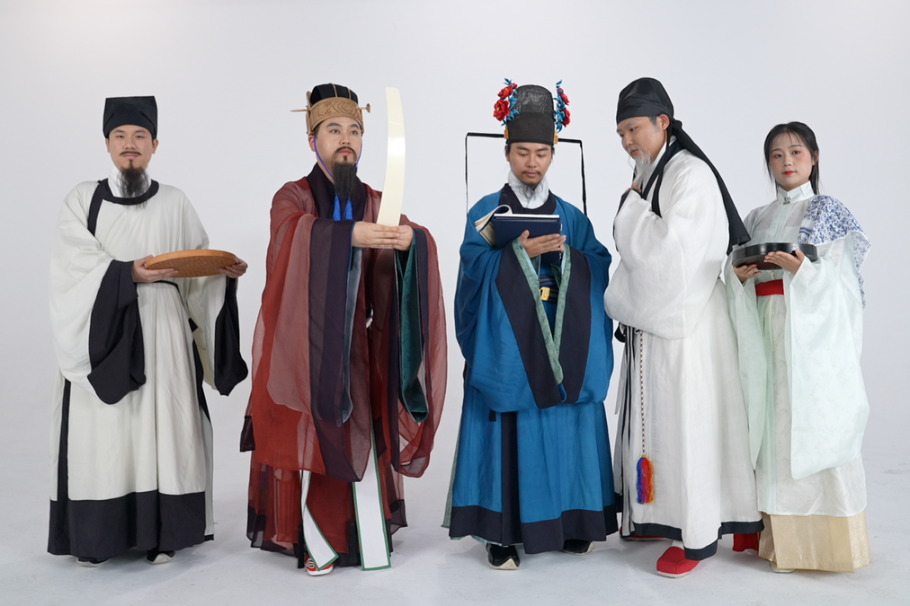
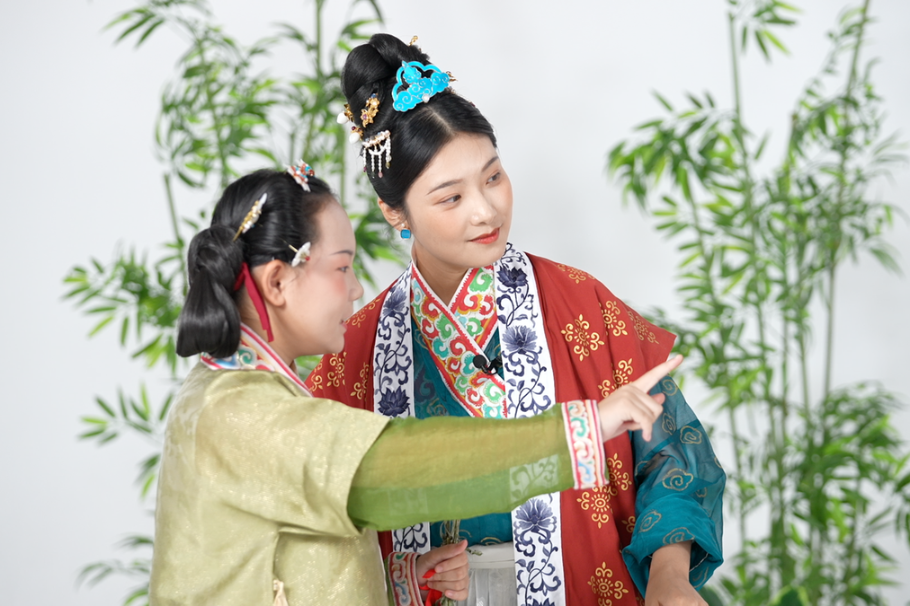
of When Life Shines. [Photo provided to China Daily]
Since its launch in 2021, When Life Shines has released more than 70 episodes and attracted 27.5 million core viewers. According to Wang Xueqiao, 35, the program's executive producer, the largest segment of its audience is between 18 and 30 years old, accounting for 51.5 percent.
"Young people in the short-video era are still craving depth," Wang observed.
When he first began planning the series, he noticed a troubling trend emerging from the world of short videos: hot topics would pop up quickly, and viral figures were often either overly praised or harshly criticized, leaving little room for nuance.
"As public expression shifts from text to video, people are increasingly reduced to simplistic impressions. That leads to a one-sided view," Wang said.
In response, the team aimed to create a space where individuals could speak for themselves — allowing those boxed in by online stereotypes to be seen as complex human beings and encouraging young audiences to reflect on truth, empathy, and deeper comprehension.