


Unilateral actions hurt US' own future









In 1988, at Leiden University, the oldest university in the Netherlands, I was defending my master's thesis in international public law. My chosen subject was the United States' interpretation of the right of self-defense as enshrined in Article 51 of the Charter of the United Nations, and existing principles of international law.
My esteemed, kind and patient professor, Pieter Kooijmans, who later became one of the 15 permanent judges of the International Court of Justice, agreed that the US was really stretching the interpretation of the Article 51 right of self-defense clause as justification for its actions in Nicaragua (mining harbors and arming the Contras) and Libya (bombing Tripoli in retaliation for a Berlin terrorist attack). The conclusion was that these interpretations were well beyond the intention of the UN Charter's drafters and potentially dangerous if they were to become the accepted norm.
To be absolutely clear about the law: the UN Charter accepts that every nation has the right to defend itself if attacked, but only as an exception to the cornerstone of international law — namely the prohibition on the use of force, enshrined in Article 2(4) of the UN Charter. This self-defense exception has very definite parameters: there must be a real armed attack, and the response in self-defense must be both necessary and proportional. This was further clarified in the important 1986 International Court of Justice judgment in the case of military and paramilitary activities in and against Nicaragua (Nicaragua vs United States of America). While the right is inherent, its exercise is limited and subject to the oversight of the UN Security Council, reflecting the international community's commitment to collective security and the peaceful settlement of disputes.
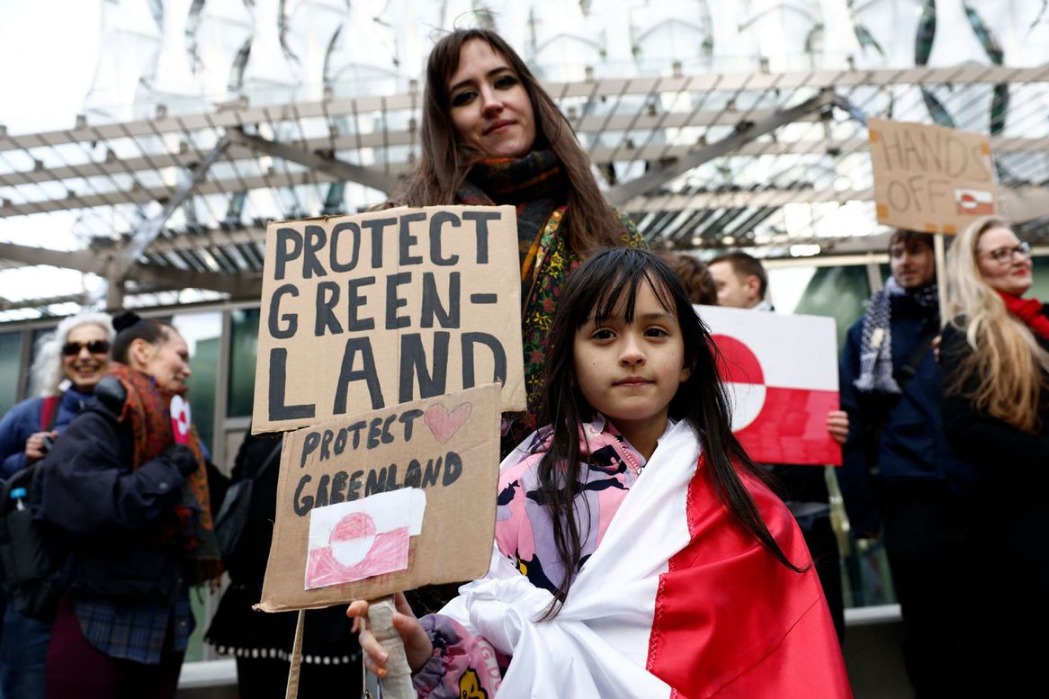
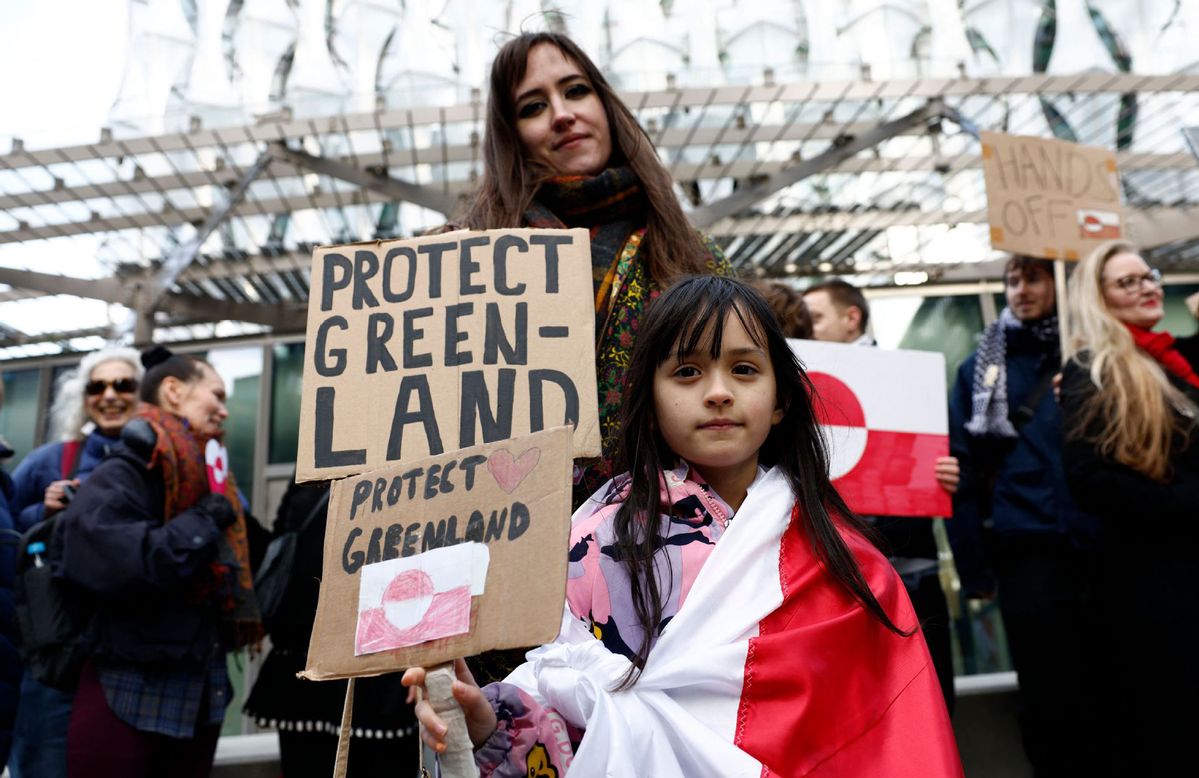
If my former professor were still alive today, he surely would have been aghast at the US actions in early January in Venezuela and at several recent statements regarding Greenland.
However, my professor's greatest disappointment would have been not only the complete disregard for international law, but, even worse, the utter contempt for the idea of international law or international cooperation expressed by the White House.
The recent statements that Stephen Miller, deputy chief of staff and close adviser to the US president, made to CNN's Jake Tapper are perhaps expressly provocative, but nevertheless reveal a thinking that is reminiscent of the Middle Ages.
"We live in a world, in the real world, Jake, that is governed by force, that is governed by power. These are the iron laws of the world since the beginning of time."
These words are truly shocking and demonstrate a primitive mindset that most had thought was a relic of the past. While the UN has not always been perfect, and the structure needs to be updated to reflect the changes in the global landscape since 1945, it has nevertheless played an important role in keeping the peace in many conflict situations, thanks to the bravery of thousands of blue helmets from all over the world. It has mediated in many potential conflicts and has been instrumental in securing the passing and signing of many important international treaties.
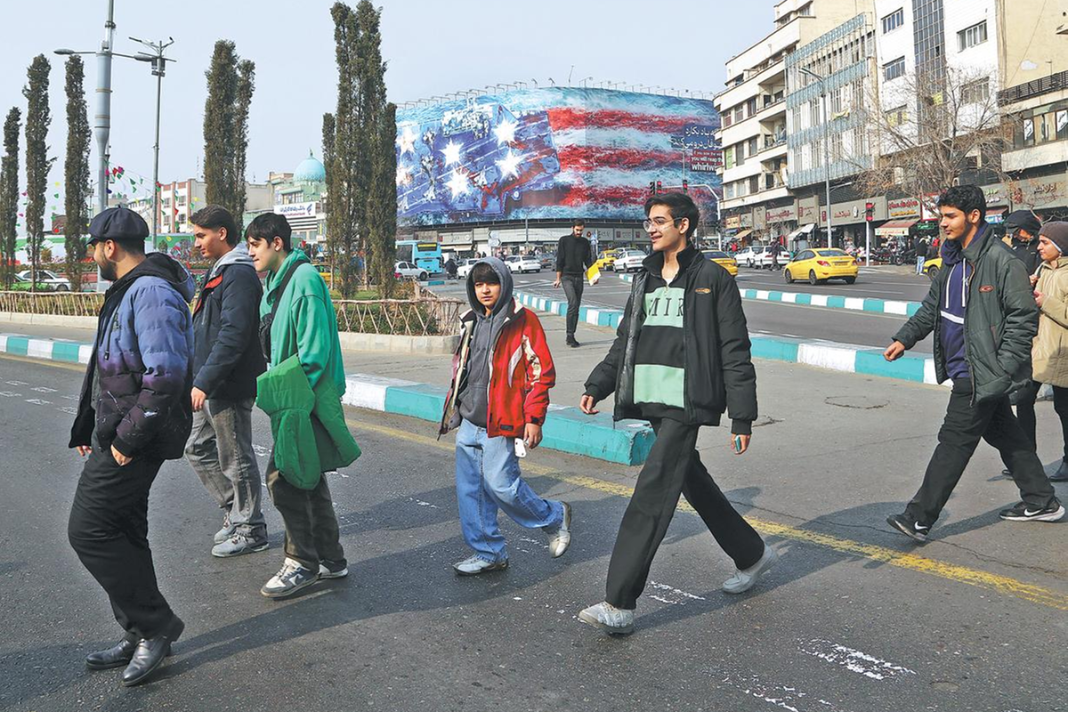
The stark contrast between Beijing and Washington reflects the crossroads we have reached as an international community. Sun Lei, China's deputy permanent representative to the UN, underlined this on Jan 15 when he stated that "the more complex the international situation becomes, the more imperative it is to uphold the authority and status of the UN and safeguard its central role in international affairs".
The views coming out of the White House are the opposite. On Jan 7, the US president issued an executive order suspending US support for 66 organizations, agencies and commissions, including 31 entities affiliated with the UN. The list is long and includes the UN Conference on Trade and Development, the International Law Commission, the UN Entity for Gender Equality and the Empowerment of Women, the Global Counterterrorism Forum, and the UN Framework Convention on Climate Change. This is a dramatic retreat from global cooperation and a previously unimaginable change of direction.
Luckily, this new US mindset is limited to Washington. International cooperation among the remaining 194 countries will not only continue but surely intensify, notwithstanding normal economic competition.
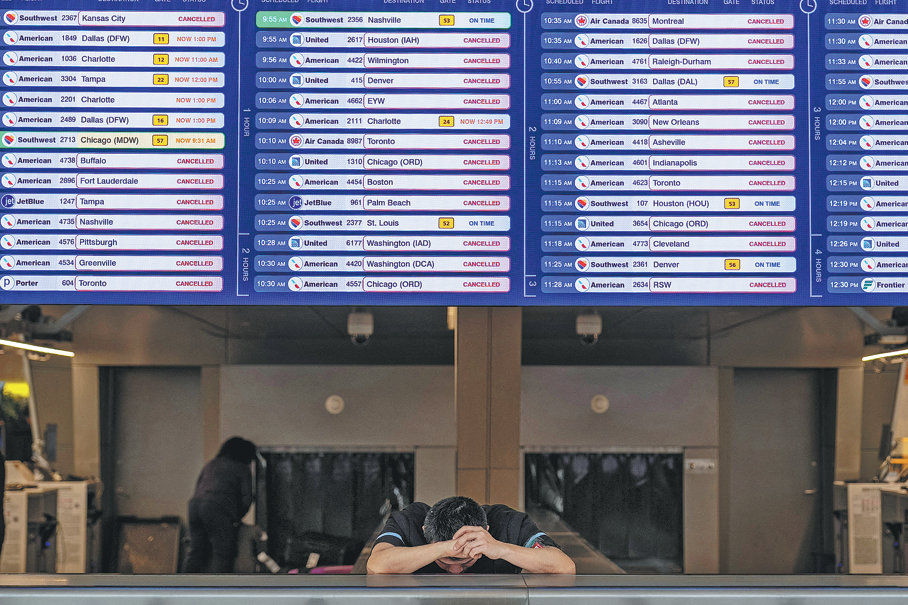
While the US is indeed a very important economy, it will not benefit from the isolationist mindset and the newly envisaged withdrawal from international cooperation. Not only will the economy suffer in the long run, but the US will feel very alone should another global health catastrophe (pandemic), or natural disaster (for example, related to climate change) ever occur.
The author is a Hong Kong-based expert on international law and an adviser to corporates on international strategies.
The views do not necessarily reflect those of China Daily.