



UAE highlights soft power's critical role in economic resilience at Davos Summit 2026









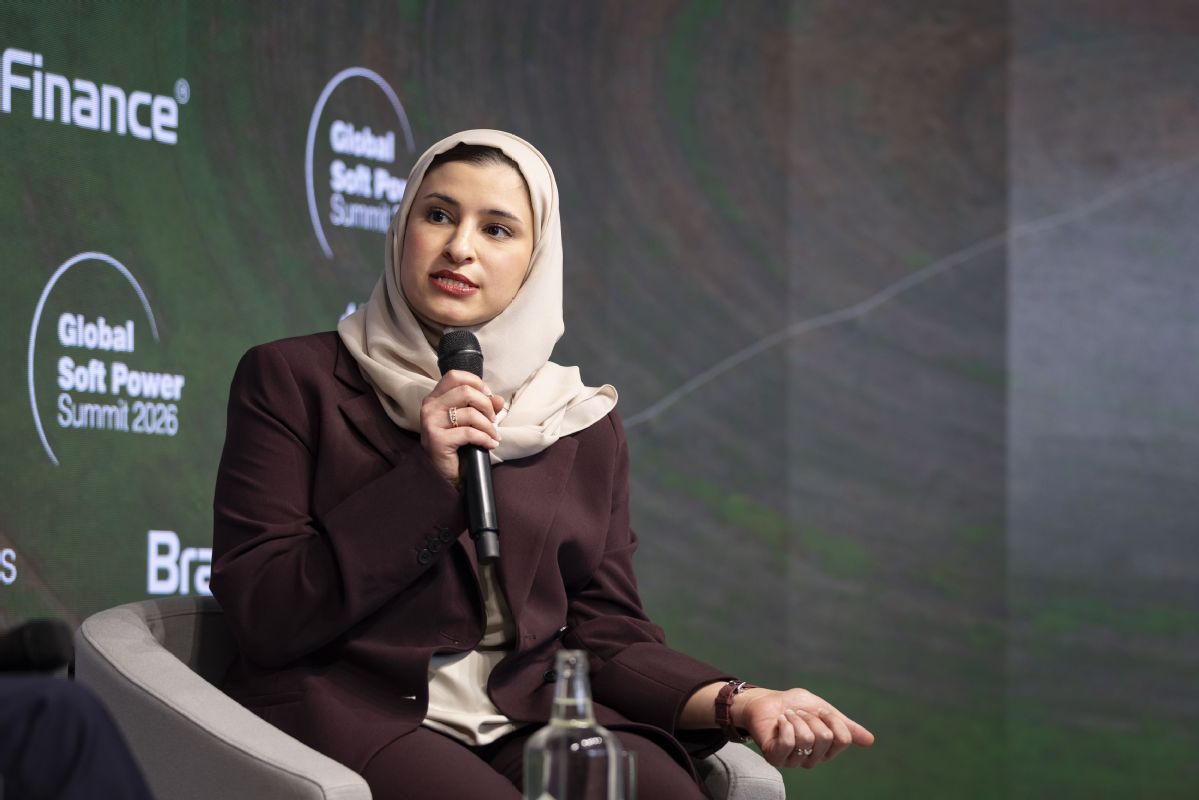
Haigh noted that countries that invest strategically in reputation, governance, education, sustainability, and innovation are better equipped to withstand external shocks and navigate periods of disruption.
The dialogue examined how soft power contributes directly to economic outcomes by influencing investment flows, trade partnerships, talent attraction, and global confidence. Participants discussed the growing convergence between soft power and economic strategy, stressing that national branding is no longer a communications exercise but a core element of economic and development policy.
The session also explored the role of education, innovation, and responsible governance in shaping future-oriented national narratives. Participants agreed that countries able to align their economic ambitions with social progress, sustainability, and human development are more likely to maintain durable influence and competitiveness in the years ahead.
The session concluded by reaffirming that soft power is not a substitute for economic fundamentals, but a multiplier that enhances resilience, trust, and long-term value creation. Speakers emphasised that in a world marked by uncertainty and fragmentation, credible national strategies rooted in education, innovation, and global cooperation are essential to building stable and future-ready economies.
The dialogue reflected the UAE's broader participation at the World Economic Forum 2026, where the country continues to contribute actively to global discussions on economic resilience, governance, education, and sustainable development. Through its engagement at Davos, the UAE reinforces its role as a constructive and forward-looking partner committed to strengthening international cooperation and shaping a more resilient global economy.
WAM










