



National adviser calls for enhanced air quality, carbon reduction monitoring









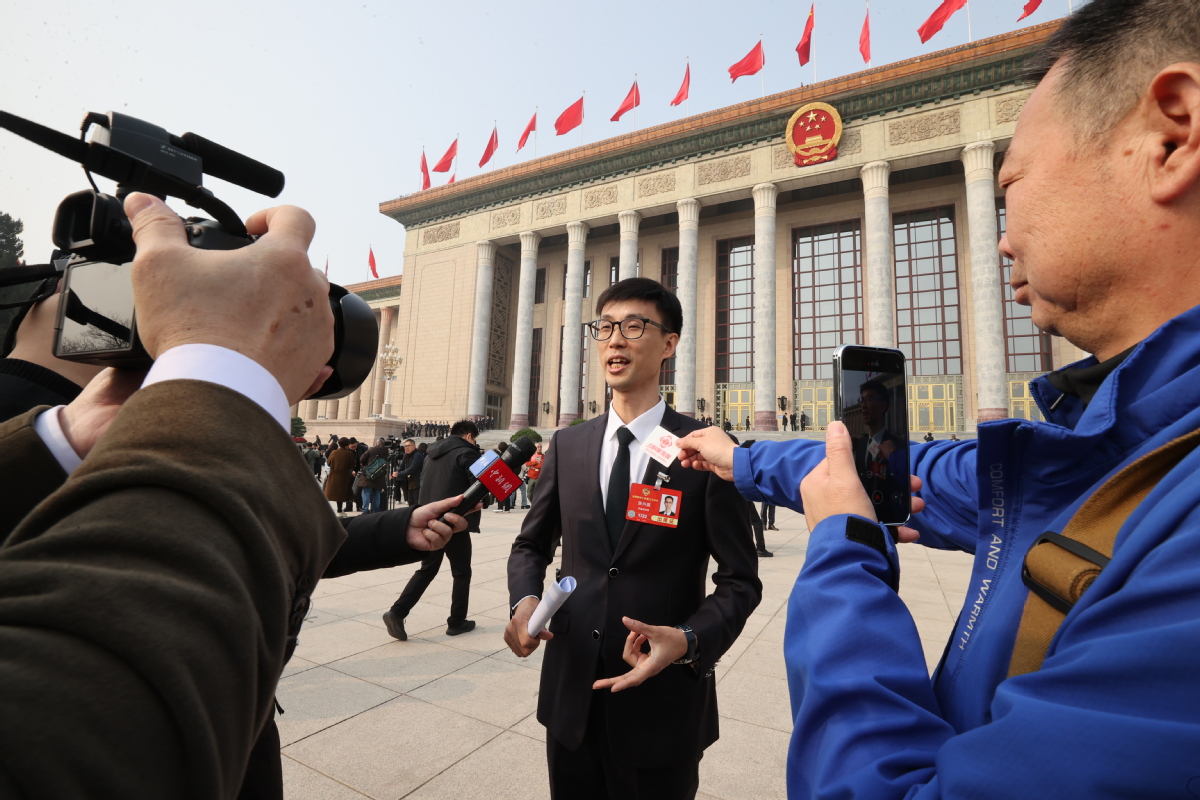
To further enhance monitoring capabilities, Zhang proposed an integrated approach to expanding monitoring infrastructure, including upgrading existing networks with high-precision greenhouse gas monitoring functions, strengthening satellite observations and implementing localized ground validation systems.
He also called for the improvement of monitoring and evaluation capacities in key regions, ecological barriers, heavily polluted areas and coastal zones. Furthermore, he added that pilot programs for enterprise-level carbon emissions monitoring should be expanded using fixed-source online monitoring and low-altitude verification technologies.
Scientific, multi-dimensional assessments involving fields such as natural resources and energy are needed to improve efficiency and accuracy, Zhang said.
In addition, comprehensive assessments should be conducted to analyze the interplay between air pollution and climate change, industrial transformation and emission reduction pathways.
Legislative support is also essential, Zhang emphasized, advocating for the integration of monitoring and evaluation into legal frameworks.
Strengthening interdisciplinary research and cultivating a specialized workforce in pollution and carbon reduction monitoring would further reinforce governance capabilities, he added.





- Cargo ship capsizes off Hainan coast, two crew missing
- China's Shenzhou XXI astronauts in good health, science goals on track after 3 months in space
- Sixth episode of photo series explores stunning landscapes across Hebei
- 19 people jailed over deadly 2023 Beijing hospital fire
- Shanghai launches first Pudong new year cultural festival
- Number of drug-related cases in China drops significantly in 2025