



Pangolins a potential intermediate host of novel coronavirus: Study









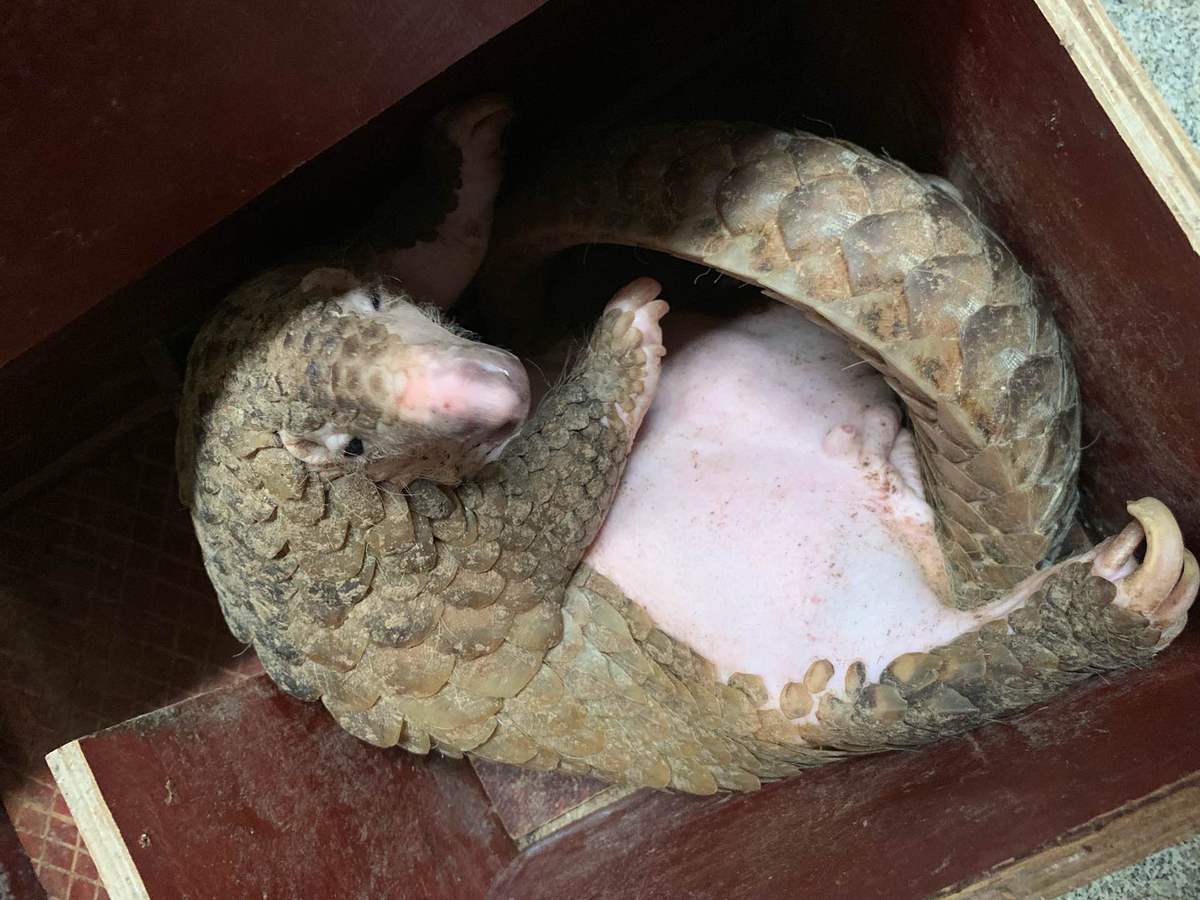
GUANGZHOU -- The genome sequence of the novel coronavirus strain separated from pangolins was 99 percent identical to that from infected people, indicating pangolins may be an intermediate host of the virus, a study has found.
The study was led by the South China Agricultural University. According to Liu Yahong, president of the university, the research team analyzed more than 1,000 metagenome samples of wild animals and found pangolins as the most likely intermediate host.
Molecular biological detection revealed that the positive rate of Betacoronavirus in pangolins was 70 percent.
Researchers further isolated the virus and observed its structure with an electron microscope.
They found that the genome sequence of the coronavirus strain was 99 percent identical to those in infected people.
Results showed that pangolins are a potential intermediate host of the novel coronavirus, Liu said, adding that the study will support the prevention and control of the epidemic, as well as offer scientific reference for policies on wild animals.






- Delivery driver rescues lost child on side of road in Guizhou
- Book details historical basis of China's sovereignty in South China Sea
- Xi congratulates Thongloun on election as general secretary of 12th Central Committee of Lao People's Revolutionary Party
- Ancient oceans cycled between oxygen-rich and oxygen-poor states, research shows
- China brings back alleged gambling, fraud kingpin from Cambodia
- Chongqing's air-raid shelter-turned-bookstore becomes tourism touchstone