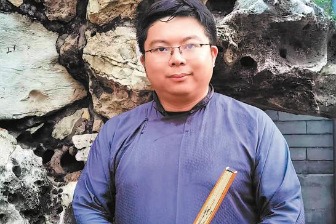



Volunteer drivers show bravery on front line
Team effort helps take medical professionals to work









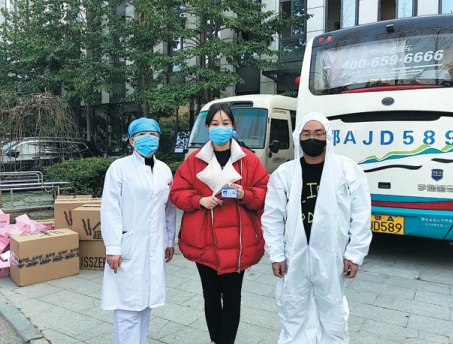
"Our motorcade workers have transported these medical professionals about 1,000 times. It's convenient and comfortable for them to go to work by car, which gives them more time to rest and save energy for work," Huang said.
He added that those who cannot afford to buy a car, especially young nurses, have had to walk or cycle for one or two hours from home to hospitals. Rain on recent days has made commuting to work more difficult.
Huang rises at 6:15 am and takes some bread to eat in his car. He drinks little water, as it can be difficult to find a public toilet, and braves the early-morning chill to open the vehicle's windows for ventilation.
"My gloves are soaked in sweat, but when the wind blows, they are soon dry and are as cold as iron. I'm exhausted when I come home at night," he said.
He only chats with a passenger when he stops at a red light, because when he is driving it can be difficult to hear one another due to the noise of the wind.
He once asked a nurse what she most wanted to do when the outbreak is over, and she said she only desired a long sleep and to drink plenty of water.




- Beijing Daxing Airport's international traffic passes 13 million in past three years
- Yuyuan Lantern Festival puts Shanghai in festival mood
- Cargo ship capsizes off Hainan coast, two crew missing
- China's Shenzhou XXI astronauts in good health, science goals on track after 3 months in space
- Sixth episode of photo series explores stunning landscapes across Hebei
- 19 people jailed over deadly 2023 Beijing hospital fire