


China tips scales toward healthier living trends
From lighter food to tech-aided exercise, lifestyle choices improve











Prevention first
A prevention-first approach is a philosophy that focuses not only on treating disease but also on promoting well-being in a more holistic way, improving quality of life and reducing the incidence of diseases, said Han Yongpeng, head of the Beijing Hospital of Integrated Traditional Chinese and Western Medicine.
The country will adopt the prevention-first approach and promote healthy lifestyles during the next five years, said Lei Haichao, director of the National Health Commission.
This vision has already been reinforced through a series of policies and initiatives. In 2024, the Chinese government launched a three-year weight management campaign with the aim of encouraging healthier lifestyles and preventing chronic diseases. Last year, a plan of action was introduced to promote health-related consumption, outlining several measures in areas such as healthy eating, sports consumption, and services for the country's aging population.
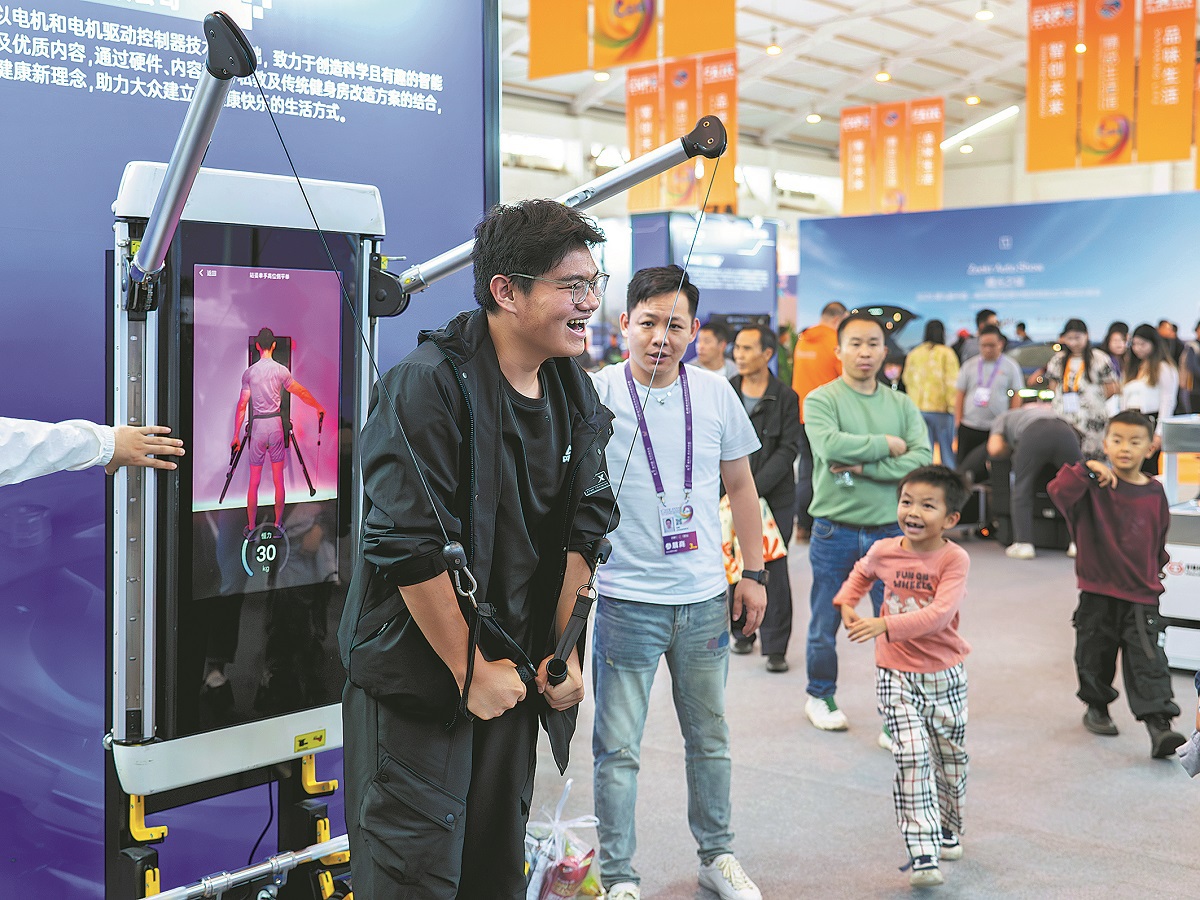
To harness this momentum, communities have seen a surge in sports facilities and events. Primary and secondary schools are now required to ensure students get at least two hours of physical activity every day.
Technology, meanwhile, has been sketching the future of mass fitness. AI-powered urban sports facilities are turning public spaces into futuristic playgrounds suitable for all ages.
At scenic sites like Mount Tai in Shandong province, elderly hikers now use exoskeleton robots. Capable of bearing loads of up to 200 kilograms, the devices dynamically adjust assistance, reducing climber exertion by as much as 50 percent and enabling seniors to tackle steep climbs with ease.





