


Nation's balanced trade push creates sweeter deal for all
From cherries to cloud computing, imports growing by the day









BEIJING — On the morning of New Year's Day, as sunlight streamed into their Beijing apartment, Li Xiaolan's family opened their refrigerator to a sight that brought a smile — a box of plump, dark Chilean cherries, glistening like jewels.
"For my parents, such perfect fruit in deep winter was once unimaginable," Li said, watching her son reach for one. "Now, it's our little ritual for a sweet start to the year."
A decade ago, this would have been a rare indulgence. Today, these cherries, alongside avocados from Mexico, beef from Argentina and durians from Thailand, have become regular attendees on Chinese dining tables.
This transformation is no accident. It stems from China's proactive policies to expand imports, such as lowering tariffs, simplifying trade procedures and extending zero-tariff treatment to the least-developed countries having diplomatic relations with China.
These measures are not isolated steps, but rather part of a broader push to address the nation's trade balance, drive high-quality development and deepen global partnerships.
The recommendations for formulating the 15th Five-Year Plan (2026-30) have put forward balancing the development of imports and exports as a key objective.
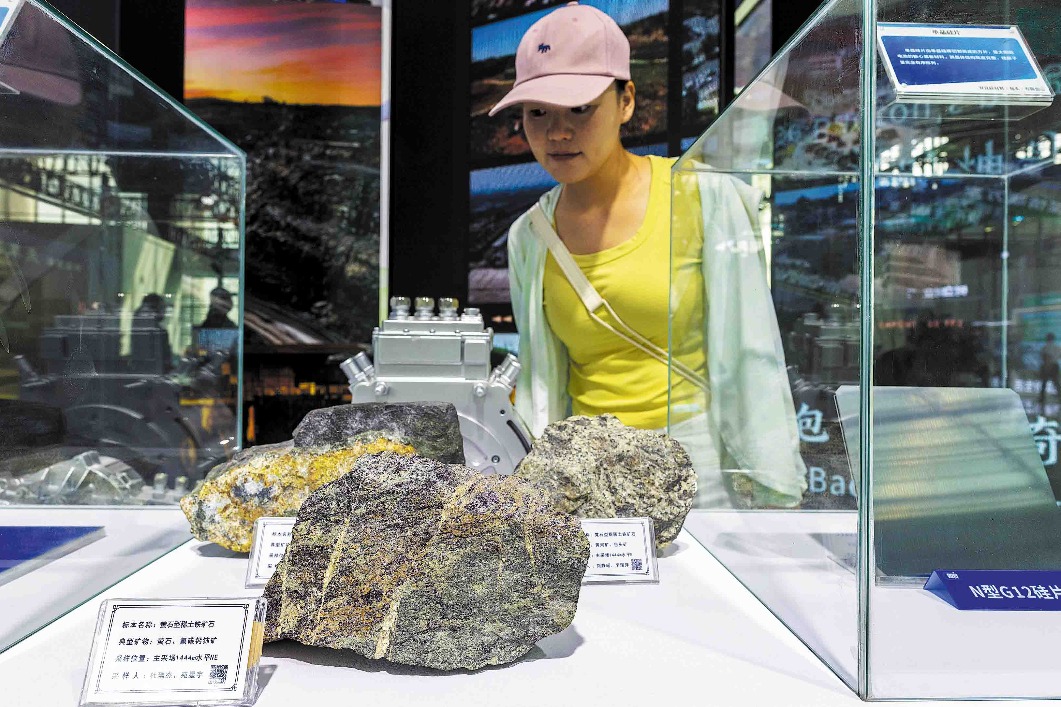
The value of balanced import-export development extends far beyond household dining tables, exerting a profound ripple effect on China's industrial upgrading and high-quality growth. In advanced manufacturing, for example, importing advanced equipment and key components enables upward movement along the value chain.
At the same time, the influx of foreign goods introduces new ideas and standards, heightening competitive impetus. This creates more discerning consumers and forces local firms to improve their products — ultimately elevating the overall quality of the "Made in China" brand.
Beyond bolstering industrial competitiveness, balanced import and export development also serves as a cornerstone of China's job market vitality. Imports and exports support employment for 190 million people, accounting for one-fourth of the country's total employment. Nearly 700,000 entities are engaged in foreign trade, with private enterprises making up about 90 percent of the total.
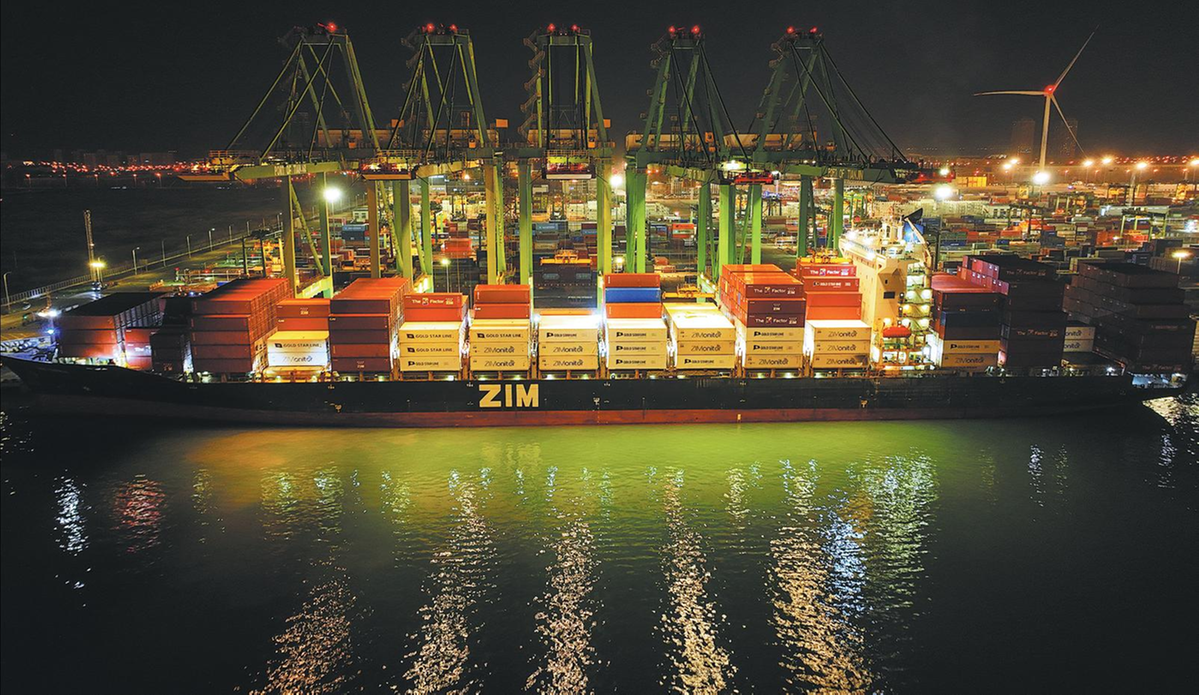
This solid employment foundation, in turn, fuels the purchasing power of Chinese households, driving the continuous expansion of the domestic consumption market. In the first 11 months of 2025, China's total goods imports reached approximately 16.75 trillion yuan ($2.3 trillion), with consumer goods imports maintaining steady growth, underscoring the robust scale and resilience of domestic demand.
"Balanced import-export development helps China better utilize both domestic and international markets and resources, strengthening the stability and competitiveness of its industrial and supply chains while raising consumer satisfaction and well-being," said Bai Ming, a researcher at the Chinese Academy of International Trade and Economic Cooperation, a think tank under the Ministry of Commerce.