


China's cultural creativity code
Domestic companies are no longer following Western standards, but are instead building their own commercial ecosystem that is now globally recognized









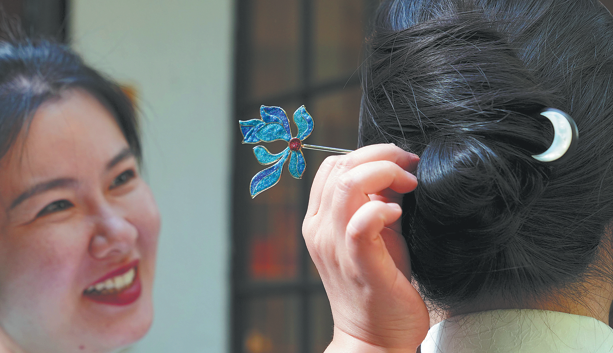
In the cosmetics section of a department store in Lanzhou, Northwest China's Gansu province, Wang Xiaoxia, a resident of Zhangye city in Gansu, bypasses the prestigious international brands to reach the Maogeping counter, a Chinese makeup brand renowned for its "Eastern aesthetics".
Over 1,400 kilometers away in Beijing, white-collar professional Dew Zhang observes that passing by the Lao Pu Gold store in Wangfujing invariably means navigating a snaking queue, drawn by the brand's handcrafted gold jewelry featuring traditional Chinese motifs. "People say they love its craftsmanship," she remarks.
A decade ago, such scenes would have been hard to imagine. China's affluent consumers were synonymous with a voracious appetite for Western luxury, equating foreign logos with status.
Today, a subtle but profound shift is underway. A new generation of consumers and the creative industries that serve them are quietly rewriting the rules of cultural engagement, turning inward for inspiration while looking outward with unprecedented ambition.
This quiet confidence found a roaring voice in 2025, not in propaganda, but in a constellation of cultural products, from billion-dollar blockbusters to scented candles, that are redefining "Made in China".
A grassroots mirror
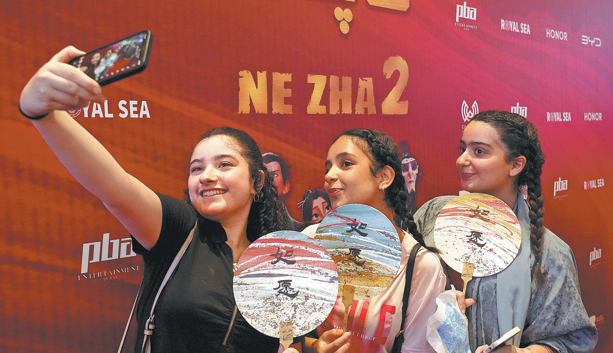
The most visible symbols of this renaissance are cinematic. The animated epic Ne Zha 2 didn't just break box-office records; it shattered paradigms. Becoming the world's first non-Hollywood film to fall into the category of grossing over $1 billion and, finally, amassing about $2.27 billion globally, it "is a miracle and a peak in Chinese cinema, a record that may remain unbroken for a long time", says Chen Xuguang, director of the Institute of Film, Television and Theatre at Peking University.
Its success lies not in mere spectacle — through approximately 2,000 VFX shots, a collaborative feat involving 138 studios, and a showcase of industrial might — but in its modern recalibration of a mythological rebel. The narrative channels a universal rage against destiny.
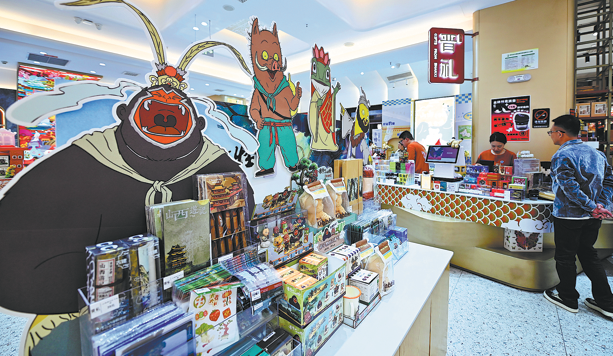
Its companion in success, however, took the opposite path. Nobody, a 2D animated film about four lowly monsters clumsily impersonating the legendary heroes of Journey to the West, became China's highest-grossing 2D animation by focusing on the mundane struggle for dignity. "I want to live the way I like," declares the pig monster, a line that resonated with millions.
Chen sees its genius in this "strong connection to reality", where adults' knowing, bittersweet laughter differs from children's delight. This "grassroots mirror", as moviegoers call it, reflects a cultural confidence secure enough in itself to deconstruct its own myths and find heroism in everyday life.
This impulse may find its purest form in "New Popular Literature and Art", a wave of amateur creativity in which delivery drivers, cleaners, veterans, and others from all walks of life turn lived experience into art, whether through poetry, prose or performance, finding their voice and audience on digital platforms.
Wang Jibing, a "deliveryman-poet", recounted in a People's Daily article in December that one of his poems, born from observing a tired shop owner and her child, was later translated and published in Italy. "We have caught the golden age of New Popular Literature and Art," he wrote. His experience captures a broader truth: this is a bottom-up democratization of storytelling, where cultural confidence is built from authentic, individual experiences.
Alchemy bridges centuries
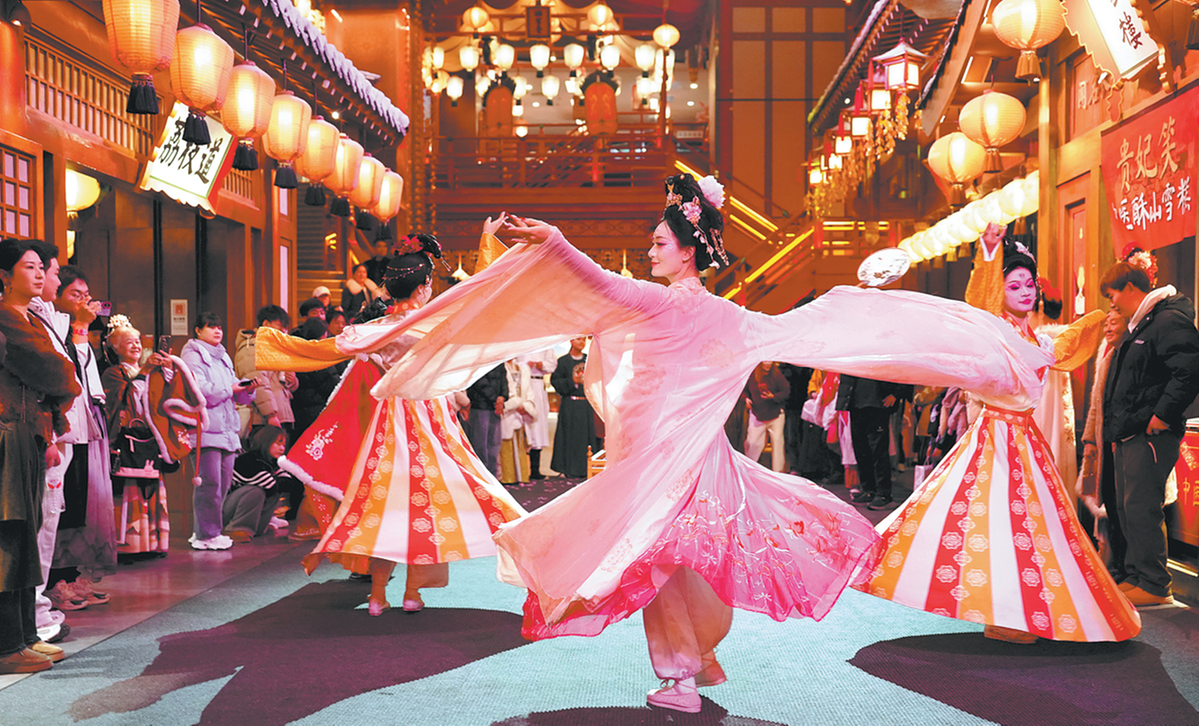
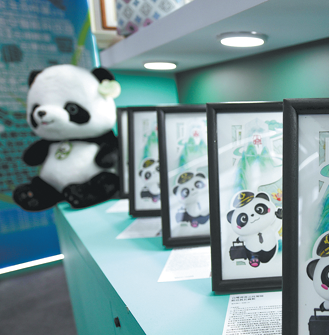
This cultural sentiment is also materializing into a formidable commercial ecosystem. The "China-chic", or guochao, is no longer a niche aesthetic but a sophisticated consumption engine. The proof is in objects that bridge centuries: a refrigerator magnet replicating the Ming Dynasty (1368-1644) Empress' phoenix crown has sold over 2.28 million units in just over a year, generating a 200 million yuan ($28.5 million) product series for the National Museum of China by late August.
That same alchemy is now scaling across industries, transforming cultural heritage into contemporary chic. It has given rise to a cohort of affordable Chinese luxury brands in perfume, makeup, accessories, and jewelry that are captivating local consumers and, as industry observers note, challenging Western luxury incumbents.
This sentiment is echoed by consumers like Wang Xiaoxia, who argues, "The development of domestic brands should aim for high quality and high value. Otherwise, we can never compete with first-tier brands."
Simultaneously, entirely new cultural symbols are being born and going global. Labubu, the snaggle-toothed, wide-eyed figurine created by Hong Kong artist Kasing Lung and marketed by Chinese pop culture giant Pop Mart, has become a global obsession among Generation Z (those born between 1997 and 2012). Sony Pictures' potential film adaptation signifies a reversal: a Chinese-originated IP feeding the Hollywood content machine.
Zhang Dandan, head of the CS-New Consumption Research Institute in Changsha, Hunan province, sees Labubu's global success as emblematic of "Made in China"'s evolution from manufacturing hub to imagination-driven value creator.
Beyond products
This new cultural confidence is expressed on the global stage. China is moving beyond exporting singular products to deploying what Shi Anbin, director of the Tsinghua-Epstein Center for Global Media and Communication at Tsinghua University, calls "clustered exports".
The spearhead is the digital "New Trio": web novels, online games, and web dramas, which form a complementary cluster. Chinese web novels attract readers worldwide, from Southeast Asia to North America; web dramas are rapidly expanding overseas, captivating audiences; and games like Black Myth: Wukong have become global blockbusters.
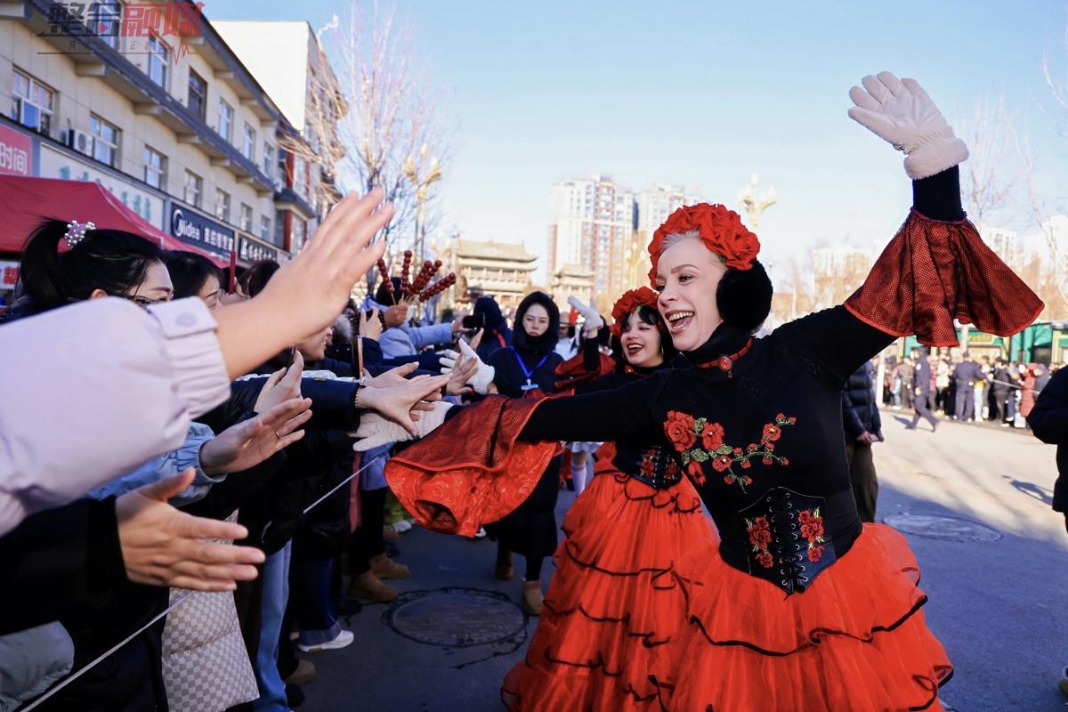
This digital ecosystem is amplified by Chinese-born global platforms like TikTok and Xiaohongshu (RedNote), which provide the infrastructure for organic, peer-driven cultural diffusion. As The Economist noted in a 2025 piece titled "How China became Cool", this grassroots, commercial charm offensive is effectively reshaping the country's international image.
It has increasingly become the case, analysts say, that China has stopped anxiously comparing itself to external benchmarks and started building a new language of cultural creativity and confidence.
Its codes are written in record-shattering box-office numbers, sold-out museum souvenirs, viral web dramas, and the quiet choice of a domestically crafted scent.
Xinhua

Today's Top News
- China's CPI up 0.8% in Dec
- Report slams Tokyo's nuclear weapon aims
- Nation's crime rate touched record low last year
- Nation's space program records stellar year of firsts
- Top Party leadership hears series of annual work reports
- 'Great ship' of shared future sails onward