


Taiwan and mainland united by goddess Mazu, common ancestral roots









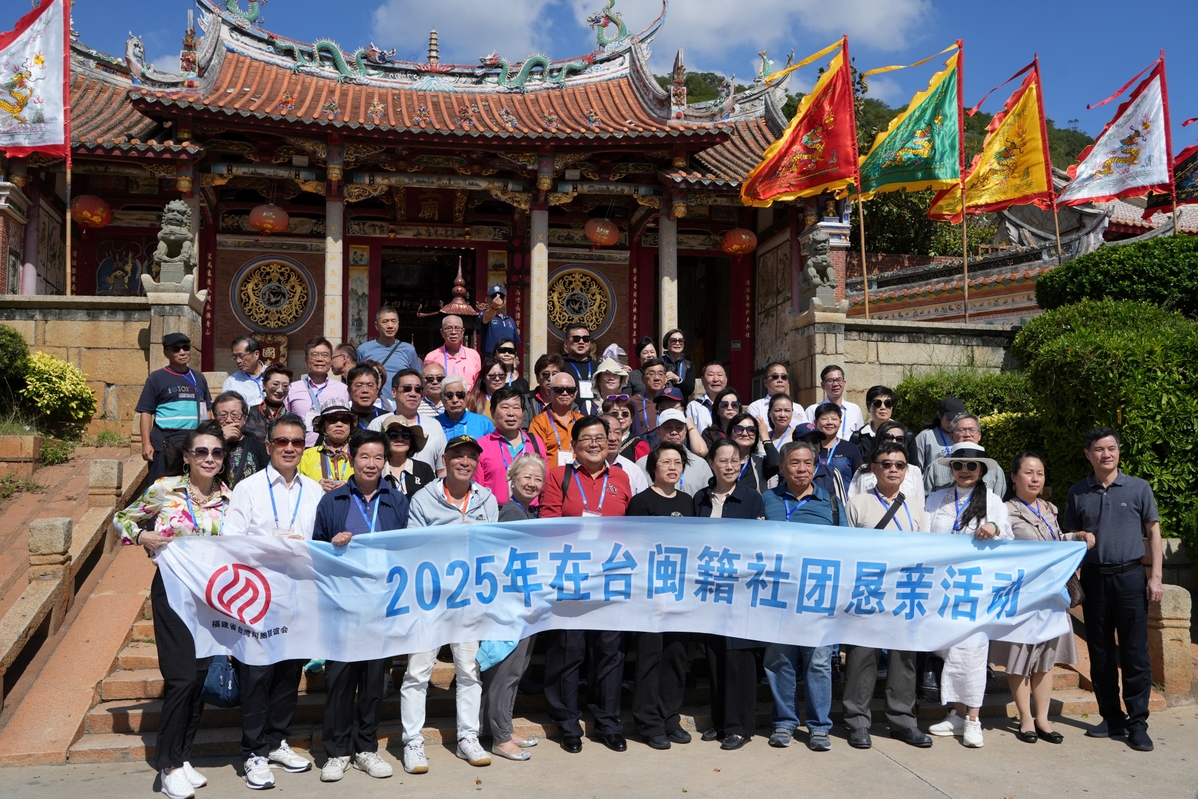
From the shared belief in Mazu to the common ancestral roots on the mainland, Taiwan compatriots tracing their lineage to Fujian province said that people on both sides of the Taiwan Strait are one family and call for closer cross-Strait exchanges.
Fujian province on the eastern Chinese mainland, separated from Taiwan by only a narrow strait, is the closest mainland province to the island. About 80 percent of Taiwan compatriots could trace their ancestry to Fujian.
"We speak the same dialect and worship the same goddess, which shows that we share the same roots and are one family," said Lin Ming-cong, head of the association of relatives of patriots in Taiwan who fought against Japanese occupation. Lin's family, originally from Pinghe county in Zhangzhou, Fujian province, crossed the Strait to Taiwan during the Qing Dynasty (1644-1911) and later flourished there.
In Taiwan, a number of groups have been established to bring together people who identify themselves as descendants of Fujian, offering mutual support and fostering connections among so-called clan relatives in both Taiwan and the mainland.


- Law aimed at bolstering standard Chinese language education passed
- Connecting cities, changing lives
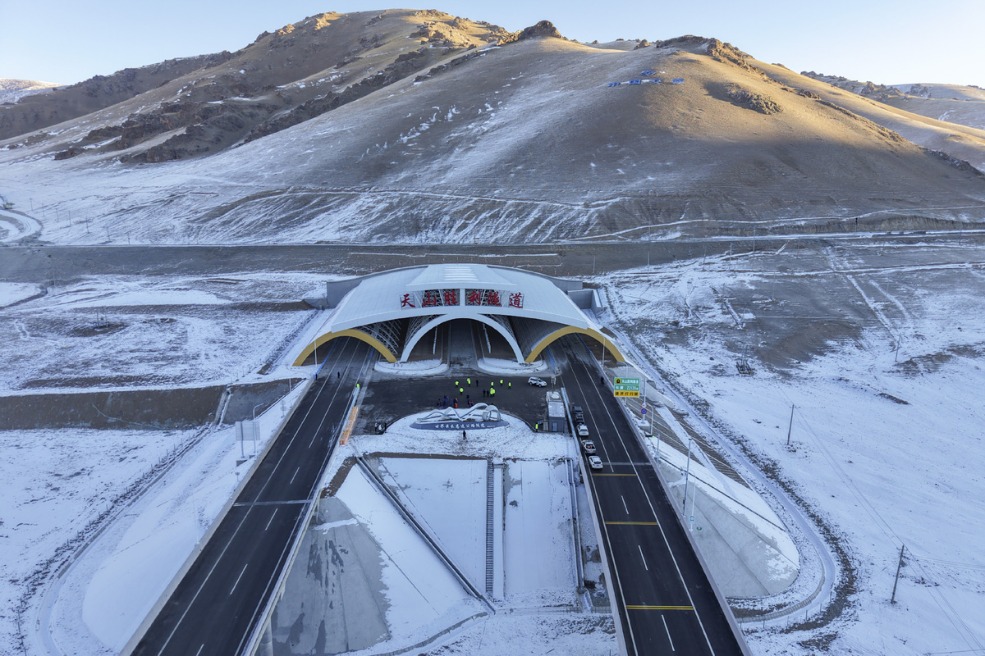
- World's longest expressway tunnel opens to traffic
- Taiwan lawmakers vote to pass motion to impeach Lai
- Xi: Steadfastly implement conduct rules
- Beijing community leads the way in grassroots governance