


The fabric of Chinese culture










Silk has also played a significant role in Chinese interactions with the rest of the world. The Silk Road, a network of trade routes connecting the East with the West, was established during the Han Dynasty (206 BC-AD 220) and facilitated the exchange of goods, ideas, and cultural practices. Chinese silk was one of the main goods traded, traveling as far as Rome and becoming a symbol of wealth and status in many cultures along the route.
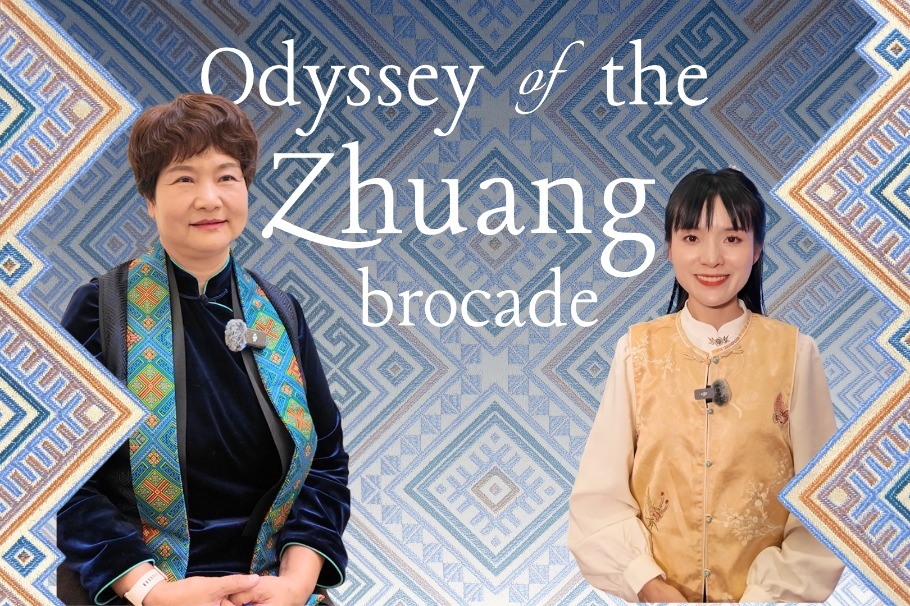
"Silk has a particularly profound historical background and cultural accumulation, and is an important symbol of Chinese civilization. It has been an important carrier of Chinese culture since ancient times, and remains so today," says Wang Hairong, director of the China Silk Dijin Limited Company, a subsidiary corporation of the China Silk Corporation.
"Silk combines the beauty of art and technology," she says.
The sericulture and silk craftsmanship of China was listed in the Intangible Cultural Heritage of Humanity by UNESCO in 2009.
In the 5,000-year-old silk culture of China, fabrics such as ling, luo, chou, and duan represent the evolving techniques of textile production throughout different periods. Originating from silkworms and refined through looms, the varying weaving methods ultimately result in differences in shape and tactility.
The luo weaving technique stands out, particularly for the demanding level of craftsmanship.
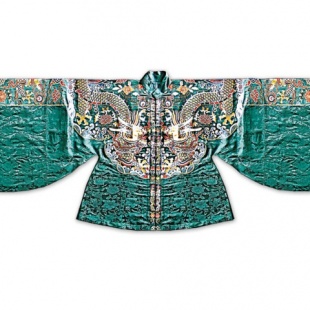
Characterized by its openwork patterns, luo fabrics offer enhanced breathability. The technique originated sometime during the Spring and Autumn (770-476 BC) or Warring States (475-221 BC) periods, and gained popularity during the Song Dynasty (960-1279), mostly due to the attire required for official rituals and the impressive plain-woven silk textiles produced in Hangzhou, which are called hangluo.