



Wuhan lab leak hypothesis 'flawed': WHO investigator









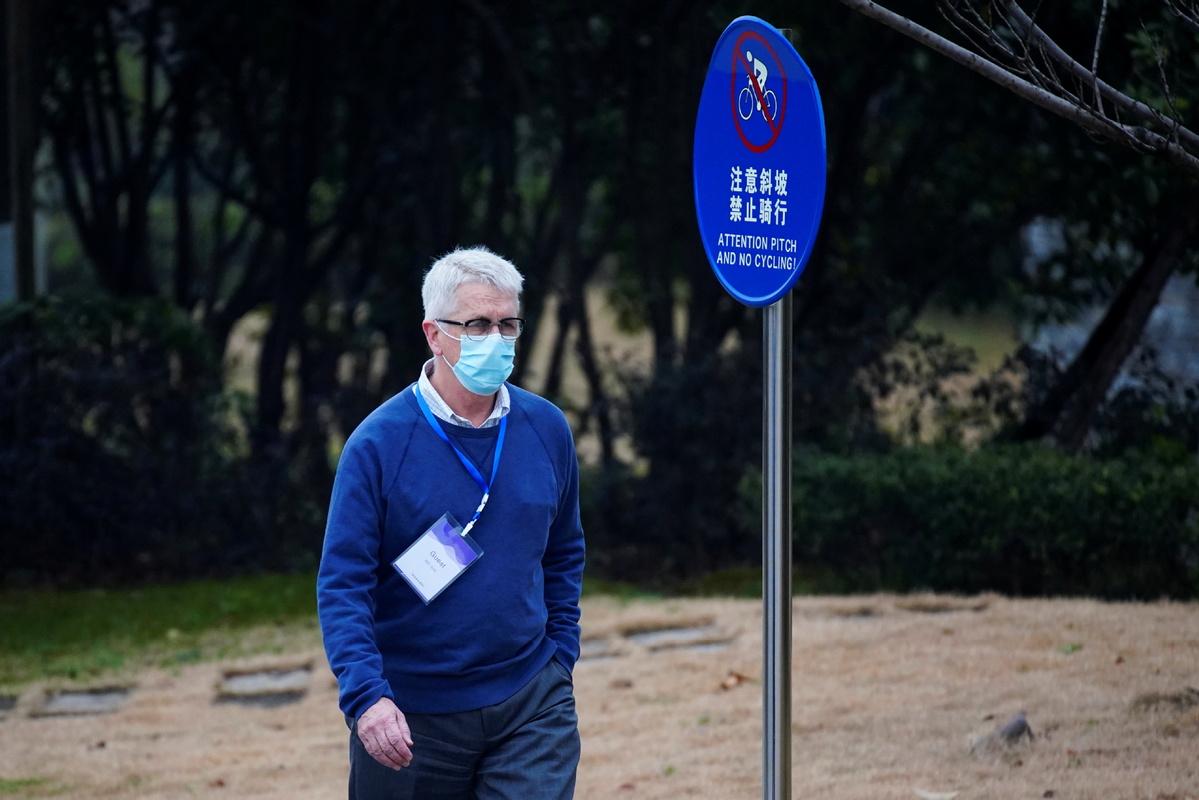
SYDNEY -- A "lab-leak hypothesis" about the origin of COVID-19 is flawed, said Dominic Dwyer, a professor at the University of Sydney, in an article in the Sydney Morning Herald published Tuesday.
The key flaw, he said, is that no evidence shows that the Wuhan Institute of Virology had SARS-CoV-2 before the pandemic.
"The laboratory leak, for that to be the origin ... meant they must have had the virus to begin with, and we don't have evidence of that," said Dwyer, who was also a member of the World Health Organization (WHO) team sent to China in January.
As a "pretty prominent research institute" working on coronaviruses, the Wuhan Institute of Virology had no reason to hide anything if they did have the virus, said Dwyer.
China appeared open and cooperative with the investigation into COVID-19's origin, he said. "All the locations we asked about visiting, they let us visit. I think they were pretty open."
The WHO team's report concluded that a virus jumping from one animal species to another and then to humans was the most likely cause of COVID-19, and deemed a lab leak "extremely unlikely," according to Dwyer.





- PLA's Southern Theater Command conducts routine drone training near China's Dongsha Island
- PLA Eastern Theater Command monitors US naval vessels transiting Taiwan Strait
- Losar warmth in a new home
- New carrier rocket built by Beijing company fails in maiden flight
- Toxic gas leak in Anhui classified as major work safety liability accident
- Xiamen Marathon runners banned for smoking on course