



Communities for seniors playing their part









Important venues help curb outbreak
After a snowfall in Beijing earlier this year, Li Qiming, 73, and his wife were taking pictures in a garden.
Li stopped to pick up a cobblestone and took it back to their apartment, where he and his wife painted an image of Maitreya-regarded as a future Buddha of this world-on the stone.
They used the painting, which was completed on March 2, to send their best wishes to people in Wuhan, Hubei province, where the novel coronavirus pneumonia outbreak first emerged.
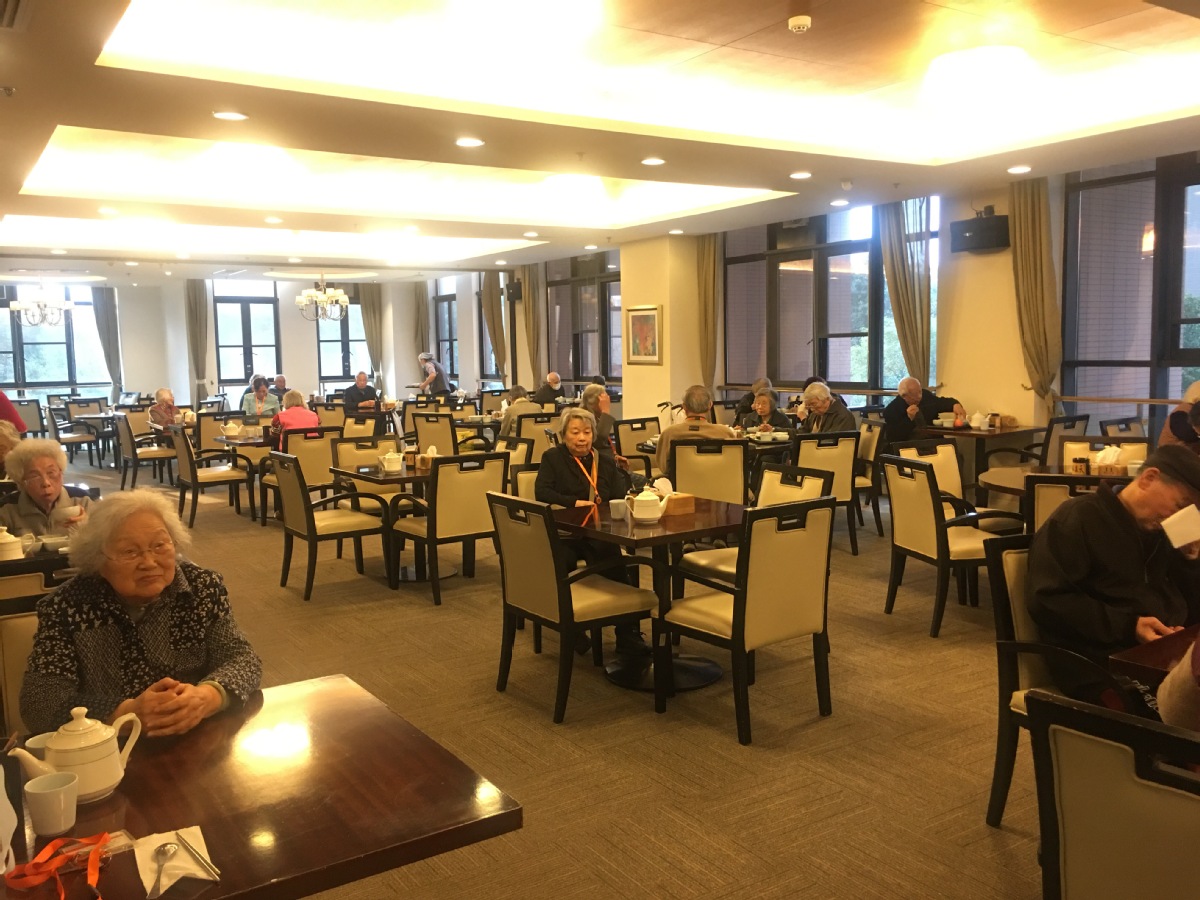
The couple live in a community built especially for senior citizens. Nationwide, more than 40,000 institutions and communities provide care for seniors. Some 3 percent of such residents in major cities, including Beijing and Shanghai, live in these communities.
Shi Xiaoming, a senior official at the Centers for Disease Control and Prevention, said at a news conference on March 2, "Institutions that care for senior citizens are extremely important venues in curbing the spread of the outbreak."
Institutions and communities for seniors provide a range of services through caregivers and other staff members.
Shi said many elderly people have to make frequent hospital visits to be treated for various ailments.
In Beijing, Li, a former government official, said it is much better for him and his wife to stay in such a community rather than in a residential neighborhood.
"Most residential neighborhoods have closed their doors to outsiders. Life can be inconvenient and even hard for elderly people living on their own. But here, life is stable," he said.
Two guidelines have been published by the National Health Commission on how institutions for the elderly should prevent the virus spreading-the first on Jan 28 and an updated version on Feb 7. Both versions called for the strictest measures to be taken to control access to these institutions and to safeguard the health of senior citizens and workers.
Early last month, civil affairs bureaus in Beijing and Shanghai reiterated that all care facilities for the elderly must continue with a strict management policy and the "five suspends"-suspending visits by family members, food brought in by families, entry by couriers and food delivery riders, recruiting employees, and admitting new residents.






- Emergency Management Minister Wang Xiangxi under investigation
- Overseas-Chinese group tours Xinjiang as special guests
- China launches satellite for Algeria
- Capital accelerates humanoid robot mass production
- Video series unveils Hebei's breathtaking ecology, landscape
- PLA conducts combat readiness patrols around Huangyan Island