



Marrow transplant may have rid patient of HIV









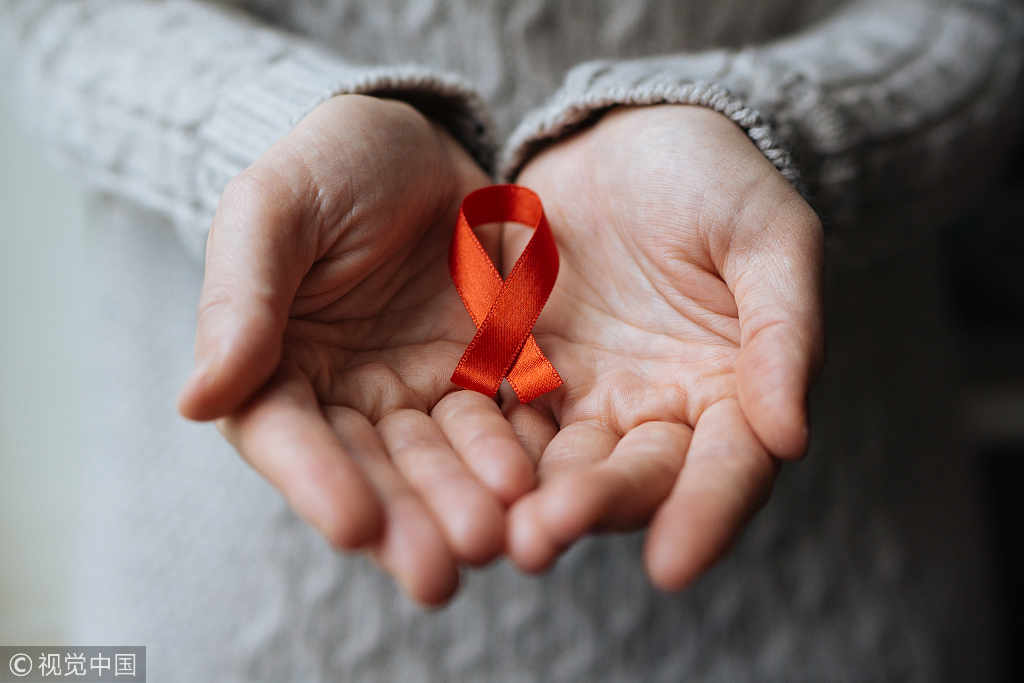
A cancer patient with HIV may have been cleared of the virus after receiving a bone marrow transplant from an HIV-resistant donor, thought to be the second such case after a bone marrow transplant, according to research published in the journal Nature on Tuesday.
The patient, whose identity was not disclosed, stopped taking antiretroviral drugs 16 months after the transplant, and the virus has not been detected during an additional 18 months, according to the study.
In the research, led by Ravindra Gupta, an infectious diseases physician at the University of Cambridge in the United Kingdom, the patient received bone marrow stem cells from a donor with a rare genetic mutation known as "CCR5 delta 32", which produces immunity to HIV infection, according to Nature.
The first such case of an HIV patient being cleared of the virus after a bone marrow transplant happened a decade ago to Timothy Brown, known as the "Berlin patient", who is still free of the virus.
"The breakthrough suggests the first case was not a one-off and could pave the way for future treatments," Nature said in a release on its website.
Gupta described his patient as "functionally cured" and "in remission". But he cautioned, "It's too early to say he's cured," according to a Reuters report.
The procedure is expensive, complex and risky, and will not be a common method to cure all patients with HIV, the report said.






- CPC leadership meeting urges steadfast implementation of eight-point decision on improving conduct
- Ethiopian coffee trading center unveiled in Zhuzhou
- Mouse births pups after space mission, paving way for future research
- Autumn grain purchases exceed 200m tons in China
- Public chooses names for China's space-traveled mice
- Xinjiang's outside investment hits 1t yuan mark