



Zero-sum mindset risks opening a Pandora's box: China Daily editorial









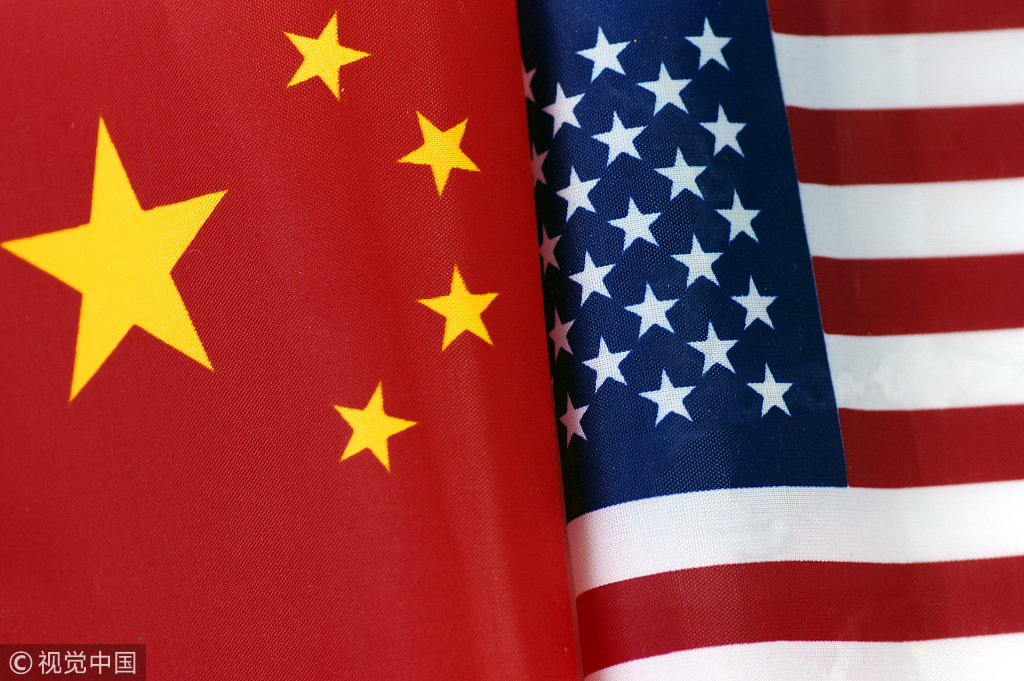
While Chinese and the US officials have indicated the two sides are willing to talk to end their trade frictions and pull the world's top two economies back from the brink of a trade war, that merely addresses the symptoms rather than the underlying illness that bedevils relations.
As White House trade adviser Peter Navarro said on Wednesday, the United States' offensive is not only about trade, it's also focused on protecting the US' leading position in high-tech industries such as robotics, advanced information technology and aviation, industries which China has identified in its Made in China 2025 strategy as the focus for the country's future development.
That China's strategy has spooked the US can be seen from the report released last week by the Office of the United States Trade Representative, which presented the results of its Section 301 investigation into what the US alleges are China's unfair trade practices – this report refers to Made in China 2025 more than 100 times in 200 pages.
Yet it is natural that China should draw up such a plan at this critical stage in its development, since it needs to successfully transition from labor-intensive manufacturing up the value-added chain to drive its future development. Especially since Beijing is well aware that the world is on the cusp of a new technological revolution.
As Premier Li Keqiang said in this year's Government Work Report, the latest global revolution in science and technology and industrial transformation are trends China "must be on board with".
But as Navarro's comments show, fearful of China rivaling it in advanced technology, the US is transitioning from the engagement that has underpinned its relationship with China until now to a more confrontational approach.
The US' bid to contain China's technological advancement is part of its wider strategy to maintain its global predominance, but the times are changing, and the Trump administration cannot reverse time's arrow back to the 1980s.
Rather than looking to further block Chinese investment in high-tech sectors in a vain attempt to hold back China's economic rise, the Trump administration should heed the observation in its own National Security Strategy that "competition does not always mean hostility".
Instead of opening a Pandora's box of protectionist trade practices, if it shifts its perspective a little, the US would see that its vision of countries "thriving side-by-side in prosperity, freedom, and peace" is no different from that of China and there is no reason why the two countries need to lock horns.