


Machine translation to smooth communication along Belt and Road









NANNING - Experts attending an international workshop on language are discussing machine translation to facilitate intercultural communication among Belt and Road countries.
The workshop which runs until Monday in Nanning, capital of South China's Guangxi Zhuang autonomous region, has attracted scholars and officials from countries including Italy, Japan, Laos, Thailand and Vietnam.
The event also focuses on shared resources for language processing research, a file which can make machine translation more accurate.
Language is one main challenges for information exchange along the Belt and Road, said researcher Sun Le of the Chinese Academy of Sciences.
With improved machine translation, international businesses can collect information from other countries more easily, according to Wong Kam-Fai, a professor with the Chinese University of Hong Kong.
While current research mainly focuses on ASEAN and other Asian countries, research results are expected to be applied to dozens of other languages, Wong said.
The Belt and Road Initiative has won support from more than 100 countries and international organizations, with the signing of nearly 50 inter-governmental agreements of cooperation.
The Belt and Road Forum for International Cooperation scheduled for mid-May in Beijing is expected to see cooperative documents signed by China with nearly 20 countries and more than 20 international organizations.



- Mainland says PLA drills warn Taiwan independence forces, foreign backers
- British writer donates family's archives to Peking Union Medical College Hospital
- Taiwan separatist forces are heading for a 'dead end', expert says
- A suspect involved in kidnapping and murdering Chinese citizens extradited to China
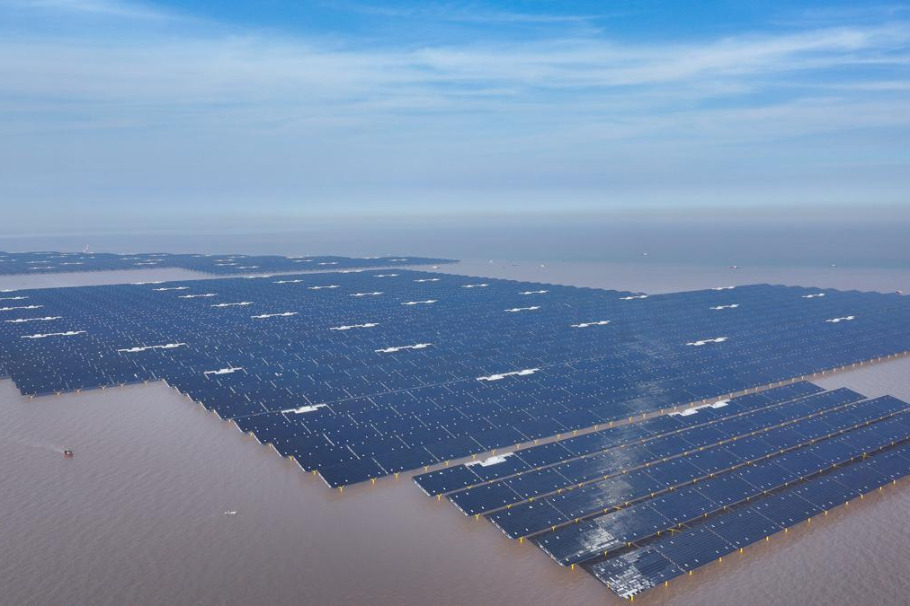
- Shandong connects 1,000 MW offshore solar project to the grid
- Top political advisor meets Chinese Buddhist delegates